

Table of Contents
- What Makes a Gallery Worth Visiting
- How to Start an Art Collection
- Contemporary Art Galleries in the USA
- Modern Art Galleries in the USA
- How to Find Art Galleries Near Me
- Authenticity and Provenance: What Collectors Need to Know
- Building Your Relationship With a Gallery
- Frequently Asked Questions
Last Updated: October 18, 2026
What Makes a Gallery Worth Visiting
Among the best art galleries, you'll find three things: serious artists, thoughtful presentation, and genuine expertise. Not every space that hangs artwork qualifies.
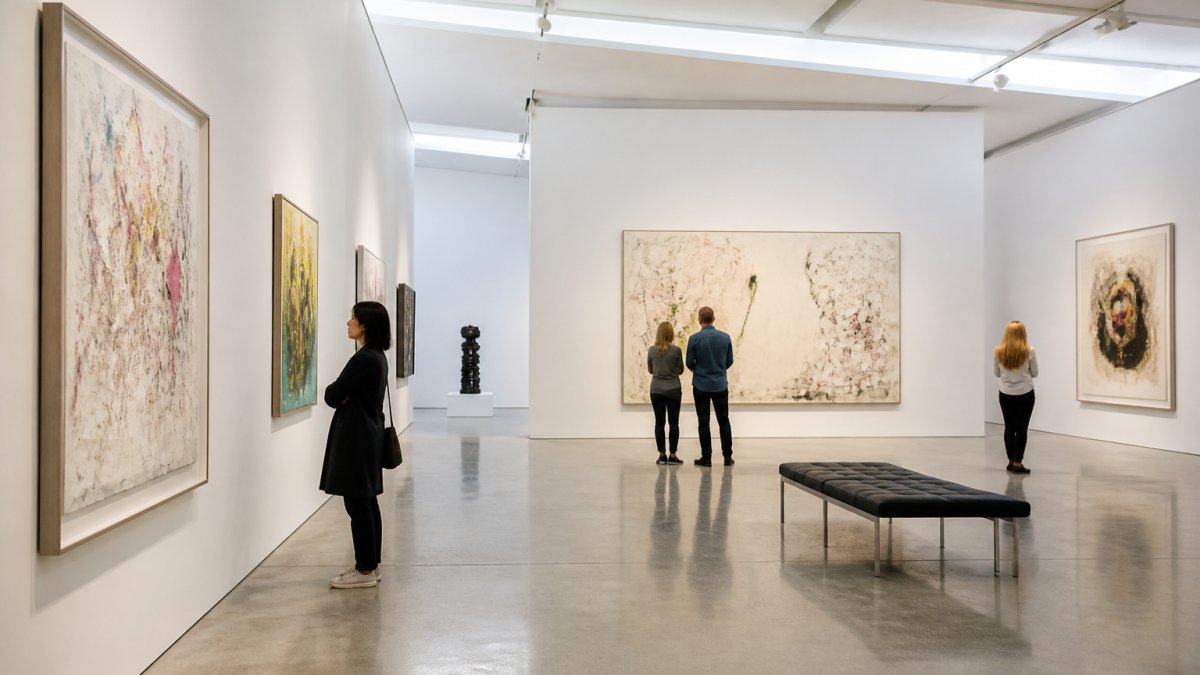
When you walk into a best art galleries space, you should feel the care in how work is presented. Lighting matters. Wall color matters. The spacing between pieces matters. These details signal whether the dealer understands art or simply moves inventory.
The strongest galleries maintain long-term relationships with their artists and collectors. They know their inventory deeply, not just the title and artist, but the story, the context, the why behind each piece.
A gallery's credibility also extends beyond its physical premises. Established online galleries can offer the same depth of expertise, careful attention to authenticity and condition, and personal guidance as a traditional showroom. Many draw on extensive relationships with artists, collectors, and fellow dealers to help clients discover important works. Whether you connect in person, by phone, or online, look for knowledgeable advice, clear information, and a dealer who takes time to understand your taste.
Galleries vs. Museums: Understanding the Difference
Galleries are commercial spaces run by dealers who represent artists and sell work. Museums are public institutions that preserve and display collections for education and cultural value. Both matter, but they operate differently.
A gallery's relationship with collectors is direct and personal. The dealer knows their clients' taste, their collecting history, and what might speak to them next. Museums serve the public broadly. A gallery serves specific collectors deeply.
This distinction matters when you're building a collection. Museums educate you about art history and movements. Galleries help you live with work and develop your eye over time. Most serious collectors work with both.
What to Look For in a Serious Gallery
Serious galleries show restraint. They don't overcrowd walls. They don't rotate inventory constantly just to appear active. They invest in the artists they represent and give work time to find its audience.
Look for these signals:
- The dealer can articulate why they represent each artist
- The space reflects a coherent point of view, not scattered eclecticism
- They maintain relationships with collectors over years, not transactions
- They're transparent about authenticity and provenance
- The physical presentation honors the work
A gallery worth your attention will also challenge you thoughtfully. They won't push you toward pieces that don't align with your taste, and they won't apologize for work that might be unfamiliar. Real dealers trust their eye and their collectors' judgment.
How to Start an Art Collection
Starting a collection begins with looking. Seriously looking. Not shopping, looking. This distinction shapes everything that follows.
Visit galleries without pressure to buy. Spend time with work that stops you. Notice what draws you back. Your taste emerges through repeated exposure, not through a checklist or a budget spreadsheet.
Defining Your Collecting Vision
Before you acquire anything, understand what moves you. Are you drawn to a particular period? A movement? A geographic tradition? A specific medium? Your answer doesn't need to be narrow, but it should be honest.
Many collectors begin with a single piece that resonates deeply. That piece often becomes the anchor for everything else. It teaches you about your own eye. It shows you what you value in color, form, subject, or historical moment.
Write down what you notice:
- Which artists or periods make you return to the gallery?
- What mediums speak to you, painting, drawing, printmaking, sculpture?
- Do you collect work from a specific era or contemporary practice?
- Are you drawn to narrative or abstraction?
- Does provenance and history matter to your enjoyment?
Your answers will evolve. That's normal. Collections grow as collectors learn. The point is to start with intention, not accident.
Building Trust With Your Gallery
The best collector-dealer relationships are built on honesty. You should feel comfortable asking questions about authenticity, condition, price, and why a piece matters. A dealer worth working with welcomes those questions.
Trust develops through repeated interaction. Visit the same galleries over time. Let the dealer learn your taste. Share what you're looking for, what you collect, what you're curious about. The dealer's role is to guide you toward work that aligns with your vision.
When you're ready to acquire, a good dealer will be transparent about condition, any restoration, and the work's history. They'll explain what documentation exists and what questions remain unresolved. They won't oversell or pressure you.
Contemporary Art Galleries in the USA
Contemporary art galleries represent living artists and recent work. These spaces shape current artistic conversation and offer the chance to collect work directly from the artist's practice.
The best contemporary galleries balance emerging artists with established voices. They invest in artists' careers over time, not just one-off shows. They build community around the work through thoughtful programming and genuine collector relationships.
What Defines Contemporary Gallery Spaces
Contemporary galleries often emphasize the artist's process and voice. The dealer can talk about the work's conceptual foundation, not just its visual appeal. You'll find galleries that specialize, some focus on abstraction, others on figurative work, others on mixed media or installation-based practice.
When visiting a contemporary gallery, ask about the artist's practice. How long has the gallery represented them? What's the artist's exhibition history? How does this work fit within their broader practice? These conversations reveal whether the dealer genuinely knows their artists.
Finding Emerging and Established Contemporary Artists
Emerging artists often show in smaller galleries or artist-run spaces before moving to established dealers. These early venues are where you discover work before it gains wider recognition. The risk is higher, but so is the potential for meaningful connection with an artist's practice.
Established contemporary artists typically work with galleries that have proven track records in their market. These galleries have collectors, exhibition history, and institutional relationships. The work carries more certainty, though less discovery.
Both paths have value. Some collectors focus on emerging artists and build relationships with their careers. Others prefer the assurance of established practices. Many collectors do both, taking calculated risks on emerging work while anchoring their collection with established artists.
Modern Art Galleries in the USA
Modern art galleries represent work from roughly the early 20th century through the mid-1960s, the period that established the movements and aesthetics that still define contemporary practice. These galleries deal in art history's most influential work.
Modern art galleries require deeper expertise. The dealer must understand not just the artist's biography but their place within movements, their influence on later artists, and the market context for their work. The Museum of Modern Art's collection and scholarship provides excellent historical context for understanding modern movements and their significance.
The Appeal of Modern Masters
Modern Masters represent the foundation of contemporary art. Picasso, Matisse, Kandinsky, Rothko, these artists established the visual language we still work within. Collecting modern work connects you to art history directly.
Modern art galleries often specialize further. Some focus on European modernism, others on American abstraction. Some emphasize printmaking, others painting or sculpture. This specialization reflects the depth of knowledge required.
The appeal extends beyond aesthetics. Modern work carries historical weight. It represents moments of radical artistic innovation. Collecting modern art means living with work that changed how we see.
Gallery Networks and Artist Representation
Galleries representing modern artists often work within established networks. A dealer might represent an artist's estate or hold exclusive rights to certain works.
Understanding these networks matters when you're collecting. A reputable gallery will explain the source of each work, the chain of ownership, and any documentation available. They'll be clear about whether a work is a unique piece, an edition, or a work after the artist.
The strongest modern art galleries maintain relationships with collectors, institutions, and other dealers. They share knowledge openly. They can contextualize work within the broader market. They understand that their role is to steward important work, not simply move inventory.
How to Find Art Galleries Near Me
Finding quality galleries requires intention. You're not looking for every gallery in your area, you're looking for galleries that align with your taste and collecting interests.
Start with research. Look for galleries that show artists you admire or movements that interest you. Read about gallery directors and their curatorial vision. Visit gallery websites to understand their focus and artist roster.
Research Tools and Gallery Directories
Several resources can guide your search. Artsy's gallery directory and artist information offers searchable galleries by location, artist, and movement. Gallery websites themselves provide the most direct information, artist lists, exhibition history, and contact information.
Local art publications and reviews often cover gallery openings and exhibitions. These sources give you a sense of which galleries are active and respected in your region. Art fairs and art weeks in major cities bring galleries together, making it easier to visit multiple spaces in one trip.
Word-of-mouth matters. Ask other collectors about galleries they trust. Ask artists about dealers who represent their work thoughtfully. These personal recommendations often lead to the most meaningful discoveries.
Visiting Gallery Spaces and Reading the Room
When you visit, observe how the space feels. Is the dealer present and engaged, or distant? Do they seem to know their artists and their collectors?
Spend time looking. Don't feel pressured to engage immediately. The best galleries understand that collecting begins with looking, not buying. You should feel welcome to visit without obligation.
Ask questions about work that interests you. A good dealer will discuss the piece's history, the artist's practice, condition, and provenance. They'll be honest about what's known and what remains unresolved.
Notice whether the dealer listens to what you say about your taste and collecting interests. Do they suggest work that aligns with your vision, or do they push whatever's available?
Authenticity and Provenance: What Collectors Need to Know
Authenticity and provenance are not the same thing, though they're often confused. Understanding the difference protects your collection and helps you make informed decisions.
Many original prints lack a full ownership chain. This doesn't make them less authentic or less valuable. It means the documentation is incomplete.
Signatures and numbering alone don't prove authenticity. Legitimate editions can be unsigned or unnumbered, particularly in earlier printmaking traditions.
Condition matters proportionally. A work with age-appropriate wear is normal. Significant damage or restoration should be disclosed and factored into your decision. A dealer should discuss condition calmly, not defensively.
When you're evaluating a work, ask for documentation. What exists? What's missing? How does the dealer know this work is authentic?
Building Your Relationship With a Gallery
The strongest collections develop through sustained relationships with galleries.
This relationship requires mutual respect. You should feel comfortable asking questions and taking time to decide. The dealer should respect your taste and your timeline.
Regular visits matter. You don't need to buy on every visit.
When you're ready to acquire, a strong relationship means the dealer knows enough about you to suggest work thoughtfully.
The relationship also means you can return to the dealer with questions about work you've already acquired.
Building a collection begins with looking seriously at work that moves you. It develops through relationships with galleries that respect your taste and your timeline.
Frequently Asked Questions
What is the difference between an art gallery and an art museum?
Art galleries are commercial spaces where artists and dealers sell original works and limited editions directly to collectors. Museums are public institutions that preserve and exhibit artworks as part of a permanent collection, typically funded by admission, donations, or endowments. Galleries focus on discovery and acquisition; museums emphasize education and cultural stewardship. Both play distinct roles in the art ecosystem.
How do I start collecting art from a gallery?
Begin by visiting galleries that feature artists and movements you genuinely enjoy. Spend time looking, asking questions, and understanding what resonates with you. A reputable gallery will discuss your interests without pressure. Build a relationship with the gallerist, who can educate you about artists, editions, and provenance. As your confidence grows, you'll develop a clearer sense of what belongs in your collection.
How can I find art galleries that represent the artists I like?
Research the artists whose work appeals to you, then check their official websites or social media for gallery representation information. Gallery directories and art fair listings also show which galleries represent specific artists. Attending art fairs and gallery openings connects you directly with dealers who specialize in your areas of interest. Personal recommendations from other collectors are invaluable.
What should I look for when visiting a best art gallery?
Observe the quality of the collection, the gallery's presentation standards, and how staff engage with visitors. Look for clear information about artists, editions, and provenance. A serious gallery respects your questions about authenticity and condition. Notice whether the space feels welcoming and whether the gallerist listens to your interests rather than pushing inventory. Trust your instincts about whether you'd return.