

Table of Contents
- What Does an Art Advisor Do
- Art Advisor Fees: Understanding the Cost Structure
- When Art Advisory Is Worth the Investment
- The Art Howse Approach
- How to Choose an Art Advisor You Can Trust
- Questions to Ask an Art Advisor Before Hiring
- Alternatives to Full Art Advisory Services
- Building Your Collection Strategy as a Beginner
- Frequently Asked Questions
Last Updated: October 6, 2026
Is art advisory worth it for a beginner? Sometimes. Experienced guidance can help you understand a work, evaluate its condition and documentation, and buy with greater confidence. But that guidance does not always require a formal advisory engagement. For many new collectors, a relationship with a knowledgeable dealer is a natural place to begin.
The starting point should be your response to the art. Good advice helps you explore what you love and understand what you are buying.
What Does an Art Advisor Do
An art advisor helps collectors source, evaluate and acquire works that suit their interests and budgets. Depending on the engagement, that role may include research, negotiation, collection planning and acquisition logistics.
The distinction between an advisor and a gallery is not absolute. Galleries may offer owned or consigned works, represent artists, and source beyond their immediate inventory. Advisors may draw on galleries, dealers, auction houses and private collections. Ask how someone works with you, what they can access, and how they are compensated.
Sourcing and Acquisition
The art market extends beyond publicly listed inventory. Relationships with galleries, dealers and private collectors can uncover opportunities that are not widely advertised, whether you are looking for a specific Modern Masters work or exploring an artist for the first time.
An experienced dealer or advisor can explain the available options and help coordinate purchase terms, paperwork, insured shipping and framing. The scope of that help should be clear before you proceed.
Market Knowledge and Due Diligence
Two works by the same artist can differ substantially in artistic quality, medium, edition, condition and market value. For prints in particular, the distinction between an original graphic work and a later reproduction matters, as do the impression, paper, publisher and catalogue references.
Due diligence involves assessing authenticity and attribution through available provenance, catalogue references, documentation, condition and, where appropriate, recognized specialists. A condition report describes physical condition; it does not establish authenticity on its own.
Complete ownership histories are not available for every genuine work. Documentation may identify a private collection or an auction source without tracing the work back to its creation. Equally, a genuine work may be unsigned, signed in the plate, or accompanied by a signature on a portfolio justification rather than on each sheet. Those distinctions should be explained accurately, with gaps and uncertainties made clear.
Art Advisor Fees: Understanding the Cost Structure
Formal advisory arrangements can use several compensation models. The important questions are what you are paying for, who pays the advisor, and whether the service fits the acquisition you are considering.
- Acquisition commission: a percentage of a completed purchase, calculated on an agreed basis.
- Project fee or retainer: an agreed amount for defined work or an ongoing engagement.
- Hourly or specialist consultation: payment for time spent on a particular question or task.
- Hybrid arrangement: a combination of a base fee and an acquisition commission.
There is no single rate that applies to every beginner. As a purely hypothetical example, a 10% acquisition commission on a $25,000 purchase would be $2,500. That illustrates the calculation; it is not an industry benchmark or a quote for The Art Howse.
Working directly with a dealer can involve a different arrangement: the dealer’s compensation may be included in the selling price, with guidance provided as part of the transaction. Buying artwork and retaining someone to represent you are different relationships, and the terms should make that clear.
Questions That Clarify the Cost
- Is guidance included in the selling price, or is there a separate fee?
- If there is a commission, what amount is it calculated on?
- Does anyone else involved in the sale pay the advisor?
- What research, negotiation and logistics are included?
- What remains payable if you decide against buying?
- Are specialist reports, shipping, insurance, framing and applicable taxes additional?
Request written terms for any separate advisory engagement. A compensation model alone does not establish the quality of the advice; transparency, relevant experience and a willingness to recommend waiting also matter.
When Art Advisory Is Worth the Investment
There is no universal spending threshold at which guidance becomes worthwhile. Its value grows with the significance, complexity or specificity of an acquisition, and with the questions you need help answering.
A first-time collector considering a $7,500 Dalí, a $12,000 Chagall or a $20,000 Picasso may benefit greatly from an experienced conversation. The right level of help might be a dealer relationship, a specialist assessment or a formal advisory engagement.
Consider the Acquisition, Your Knowledge and Your Time
- The work: Are there questions about medium, edition, attribution, condition or documentation?
- Your experience: Can you interpret the information and understand the differences between available examples?
- Your time: Do you want help locating a particular work and coordinating the acquisition?
- Your purpose: Are you buying for enjoyment, developing a collection, or arranging a specialist appraisal or future collection planning?
Collecting for enjoyment deserves informed decisions just as much as collecting with financial considerations. The benefit of guidance includes education, access and confidence, as well as identifying concerns before purchase.
Begin by asking what help you actually need. A formal retainer may be unnecessary when an experienced dealer can answer your questions and explain a work clearly.
The Art Howse Approach
At The Art Howse, collecting begins with the collector and the art. We believe personal taste should be encouraged. When a work speaks to you, our first responsibility is to explain its merits: what makes it compelling, its place in the artist’s work, and the details that distinguish it from other examples.
With more than 25 years of fine-art experience, founder Sean Howse brings context to questions of condition, available provenance, edition history and market value. We offer works directly and can explore opportunities through our gallery, dealer and private-collection relationships.
Price matters, but collecting should remain art buying. Comparable sales provide context; they do not fully account for the quality of an impression, its condition, its rarity or what a particular work means to you. An exceptional example may justify a higher price than another example of the same subject.
Our goal is to help you buy what you love with greater knowledge and confidence. We will explain the merits of a work you are drawn to, and if we believe your money would be better spent elsewhere, we will tell you so. Sometimes the most useful advice is to wait.
You can begin with a conversation about a work that interests you. There is no need to arrive with a fully formed collecting strategy.
How to Choose an Art Advisor You Can Trust
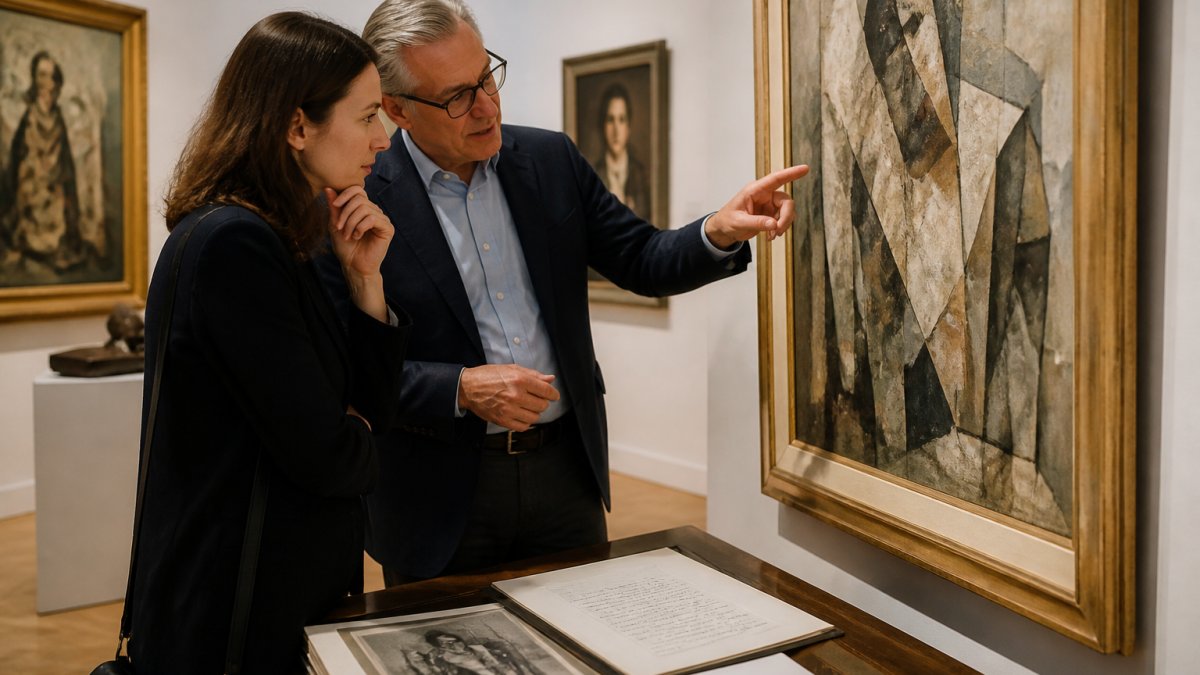
Look for relevant experience, clear explanations and a relationship in which you feel comfortable asking questions.
Experience and Track Record
Ask about experience with the artists and media you are considering. Gallery work, specialist research and sustained relationships with collectors can all be useful evidence. Formal qualifications may matter for a particular task, but an appraisal credential and expertise in an artist’s prints are different things.
Request references where appropriate. Ask whether the person explained the works clearly, followed through on the acquisition and handled concerns candidly.
Respect for Your Taste and Transparency
Bring a work you like to the first conversation. A helpful response starts by understanding your attraction to it and explaining its strengths, then discusses any concerns with evidence. Personal preference should not be presented as an objective judgment of quality.
You should understand whether the person is selling you a work, representing you in a purchase, or providing a separate specialist service. Their compensation and responsibilities should be clear.
Questions to Ask an Art Advisor Before Hiring
- What experience do you have with this artist and medium? Ask for specific examples relevant to your interests.
- How do you source works? Understand their available inventory and wider relationships.
- How are you compensated? Clarify the selling price, any separate fees and payments from other parties.
- How do you assess authenticity and attribution? Ask what catalogue references, documentation and specialist input are appropriate, and what remains uncertain.
- What is known about condition and ownership history? Request the available information and an explanation of any gaps.
- How will you approach a work I already like? Look for respect for your taste, supported by candid advice.
- What are the purchase terms? Understand payment, shipping, insurance and any return or authenticity provisions before committing.
Alternatives to Full Art Advisory Services
Working Directly with Galleries and Dealers
For many new collectors, the best starting point is a relationship with an experienced dealer who takes time to understand their taste. Guidance may be included in the transaction, and a well-connected dealer can look beyond current inventory when appropriate.
Browse exhibitions, visit art fairs and look closely at works in museums. These experiences help you recognize what moves you and develop questions worth asking.
Auction Houses and Specialist Consultants
Auction-house specialists can discuss works offered for sale, attribution, estimates and market context. A general pre-sale consultation should not be treated as an independent authentication service. Remember that the house has a commercial interest in bids and consignments.
For a specific concern, consider the relevant specialist: a conservator for condition, an appraiser for a defined valuation purpose, or an artist specialist or provenance researcher for appropriate research. The scope and limits of each assessment should be clear.
Building Your Collection Strategy as a Beginner
Start by looking. Notice which subjects, colors, artists and media hold your attention. A collection can develop from those responses over time; you do not need to choose a rigid category before your first acquisition.
Set a comfortable budget that accounts for the complete purchase, including framing, shipping, insurance and applicable taxes. Ask what makes one example different from another and keep the invoice and available documentation with the work.
Use comparable sales thoughtfully. Differences in medium, edition, condition and sale context can make an apparent comparison misleading. A low price alone does not make a work right for you.
Be patient. Strong collections develop over years, and there is value in waiting for a work you continue to love after the first excitement of discovery.
Art advisory can be worthwhile, but a formal engagement is only one route to informed collecting. The right relationship helps you understand the art, respect your own taste and make confident decisions. Explore The Art Howse collection and begin with a work that speaks to you.
Frequently Asked Questions
What does an art advisor do for a beginner collector?
An art advisor can help a beginner source and evaluate works, understand condition and available documentation, and coordinate an acquisition. Good guidance explains the art and respects the collector’s taste. A knowledgeable dealer can provide much of that help through a direct buying relationship.
How much do art advisors typically charge?
Formal advisory arrangements may involve acquisition commissions, project fees, hourly charges, retainers or a combination. Rates and scope vary, so request written terms. When buying directly from a dealer, compensation may be included in the selling price. The Art Howse welcomes conversations about available works and sourcing opportunities; this article does not set out a separate advisory fee schedule.
Is art advisory worth it if I'm just starting to collect?
Experienced guidance can be valuable at many price points, particularly when you have questions about medium, edition, condition, authenticity or market value. There is no universal minimum budget. A formal advisory engagement may be useful for a complex acquisition, while a trusted dealer relationship may be the right starting point for your first purchase.
What questions should I ask before hiring an art advisor?
Ask about experience with the artist and medium, sourcing relationships, compensation, available condition and provenance information, and how authenticity and attribution are assessed. Clarify purchase terms and any uncertainties. Ask how they approach a work you already like: the conversation should respect your taste and provide clear, candid advice.